
Buy a padel racket for the way you play
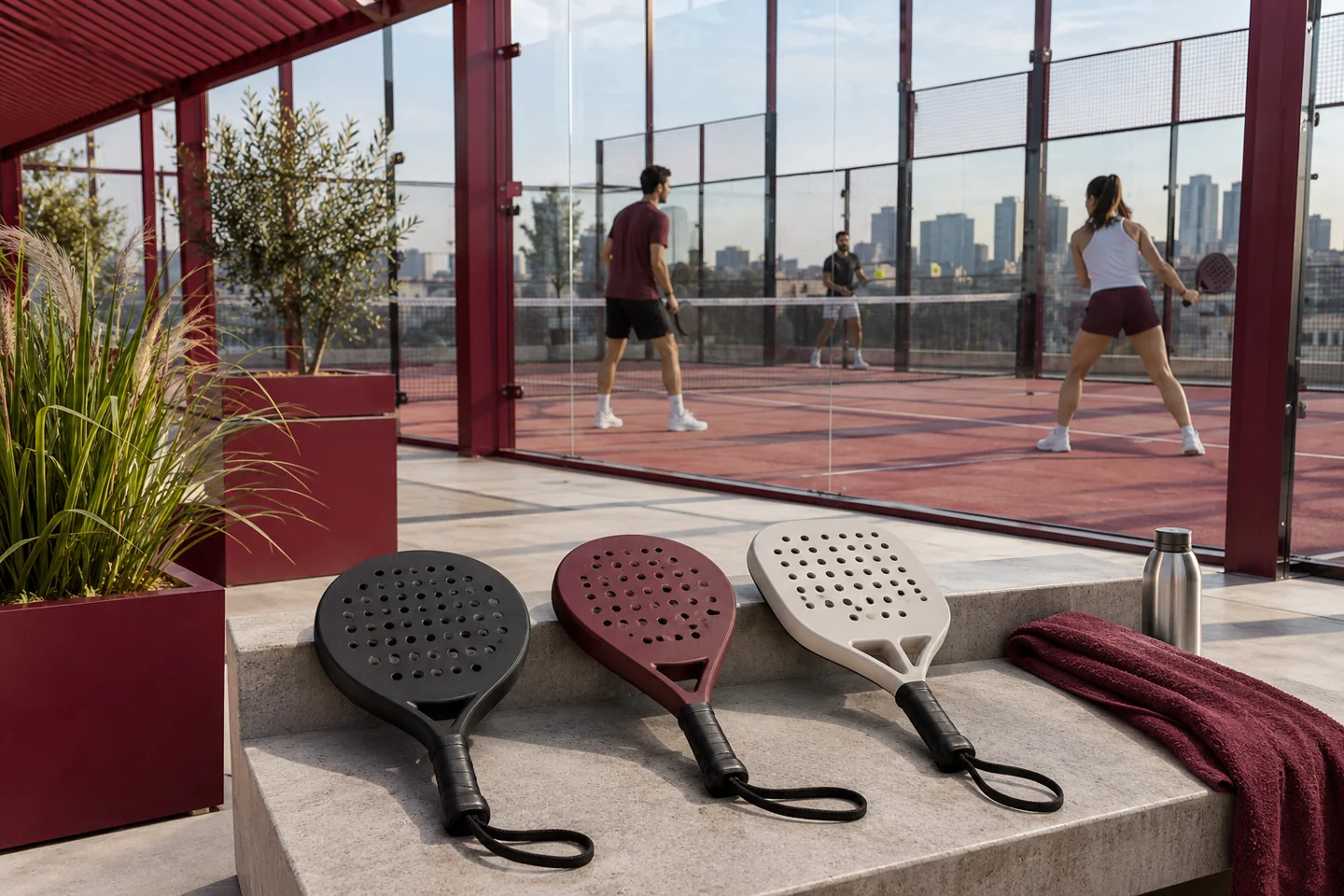
The right padel racket is one you can control repeatedly through a match. A premium model is not automatically the right starting point, and a power-focused design cannot compensate for rushed positioning. This guide gives you a buying process rather than a ranked list of products we have not independently tested.
Set your starting requirements
Write down your experience, playing frequency and budget. Include any handling preference you have noticed when borrowing or renting a racket. New players often benefit from a forgiving response and manageable handling, but comfort is individual; avoid assuming a specification guarantees it.
If you are moving from tennis, try padel rackets on their own terms. The contact, grip changes and use of the walls create a different playing context. Borrowing a suitable demo racket can reduce the risk of buying only from familiar brand cues.
Compare balance and usable weight
Published weight is only part of how a racket feels. Balance, grip size and accessories affect manoeuvrability. Ask whether the quoted weight refers to the actual item and whether a demo includes overgrips or protectors. Two rackets with similar numbers can feel different during quick exchanges.
Shape and construction descriptions are useful starting points, but brands do not all use marketing terms consistently. Rather than treating one shape as a guarantee, assess how easily you make clean contact and recover for the next ball.
Use a structured demo
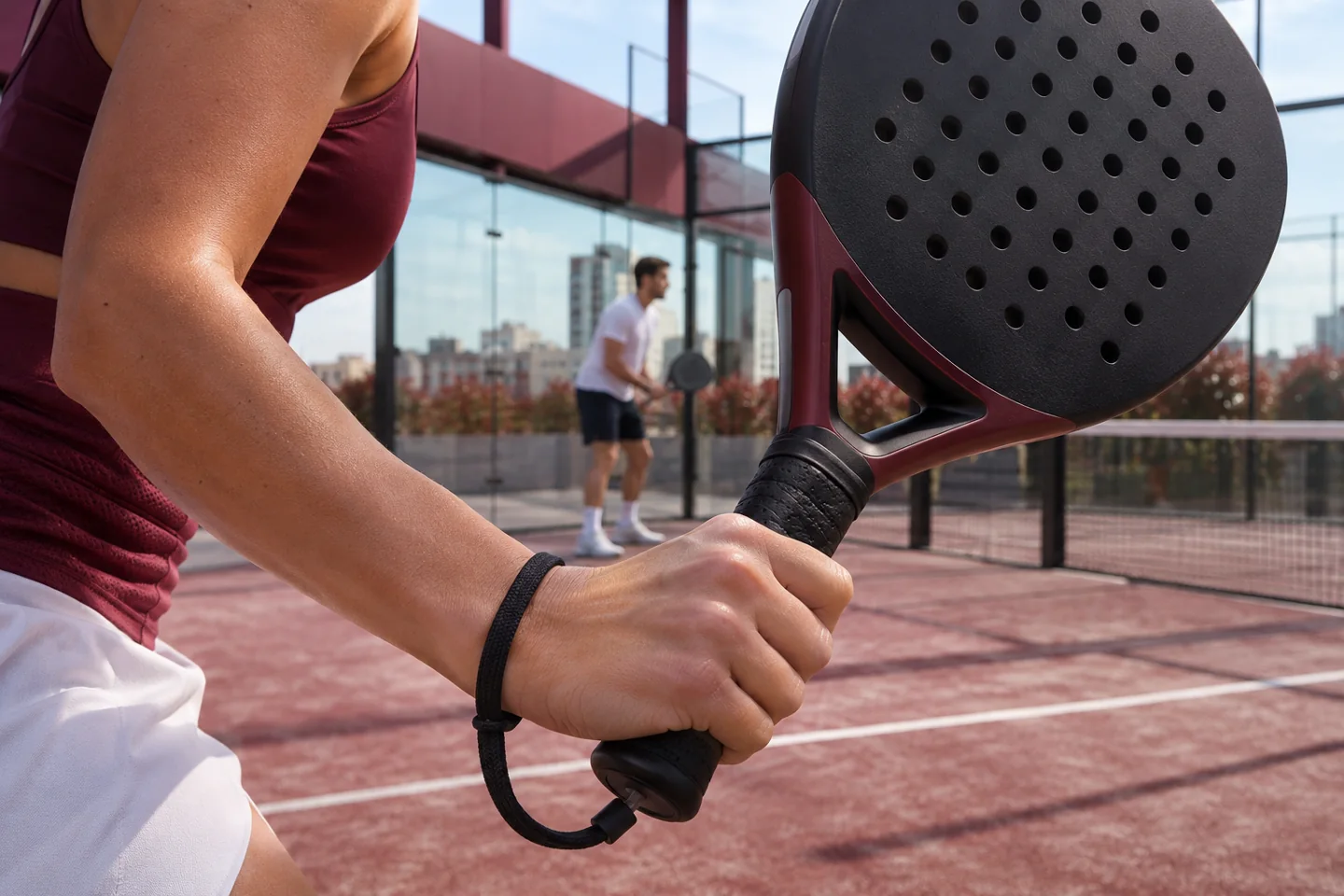
Try controlled volleys, lobs and defensive shots, then a few longer rallies. Notice whether contact remains comfortable as you tire. Keep the comparison conditions similar, using familiar balls and a consistent partner where possible. Record a few observations immediately afterwards rather than relying on memory.
Read the purchase terms
Check the retailer’s returns policy, warranty process and whether trying a racket affects return eligibility. Compare the final price with delivery and accessories included. If buying used, inspect the frame, face and condition of the strap; request clear photographs and a description of known damage.
Spend on usefulness
A racket that suits you and leaves room in the budget for lessons or court time may provide more value than a prestigious model you cannot handle confidently. Do not rely on equipment claims to resolve a technical problem. Our membership comparison helps you weigh the other major part of a playing budget. Return to the magazine’s padel hub for more buying guidance.