

Padel is no longer a niche court sport for a handful of enthusiasts, and that shift has changed the way players choose where to play and what to buy. In a landscape filled with rapidly growing clubs, endless gear options, and opinions scattered across social platforms, finding reliable guidance can feel surprisingly difficult. That is where padel mesh becomes especially useful, because it brings structure to choices that often feel fragmented. Instead of jumping between club sites, gear shops, and random reviews, players can use one resource to compare options more intelligently. This matters whether you are picking your first racket, scouting a better venue, or trying to understand what other players actually think. The result is a more informed padel experience from the start.
What makes this kind of platform valuable is not just convenience, but clarity. A player can move from discovering a club to reading firsthand feedback and then comparing equipment without losing context along the way. That continuity helps reduce guesswork, especially for beginners who may not yet know what signals quality or value. At the same time, experienced players benefit because they can filter out weak options faster and focus on details that genuinely affect performance. In practice, that means less wasted time and better decisions on and off the court. It also means players can approach the sport with more confidence, which often leads to a better overall experience.
What Padel Mesh Is and Why It Matters
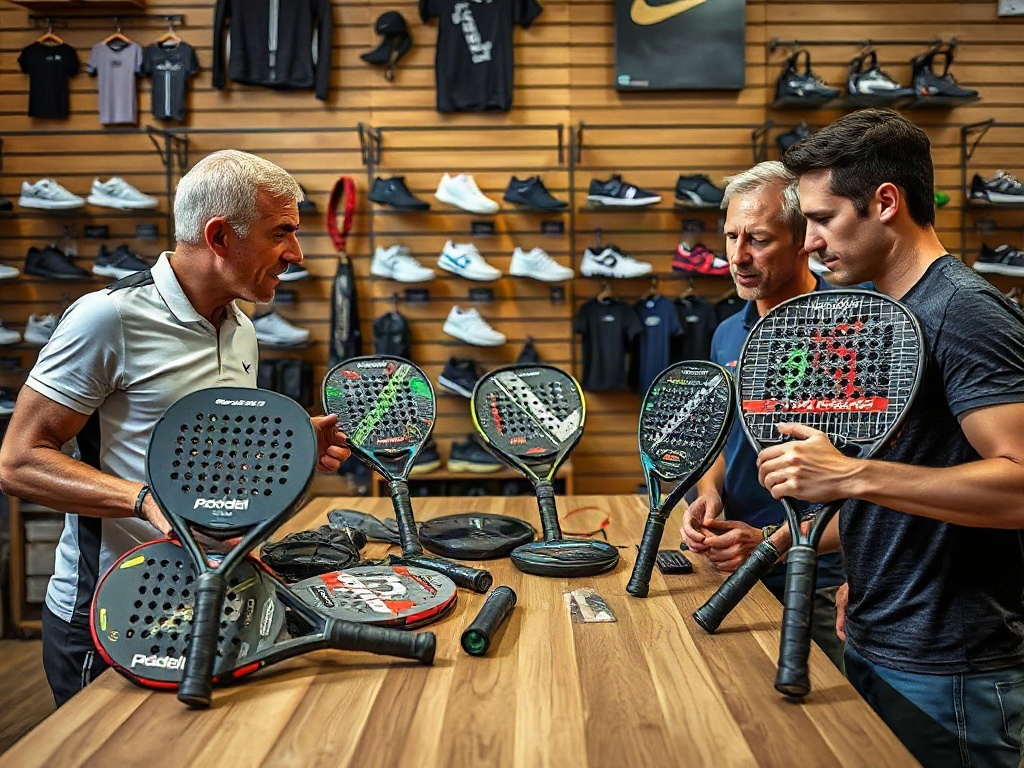
Padel Mesh is best understood as a decision-support resource for the padel community. Rather than acting as a single-purpose directory or a basic blog, it combines club discovery, player feedback, and equipment comparison in one place. That combination makes it relevant to different types of users with different priorities. A beginner may be looking for a friendly club with coaching support, while a more competitive player may care more about court quality and gear performance. By serving both audiences, the platform creates a useful bridge between information and action. In a sport where small details can shape the experience, that kind of bridge is important.
Its value also comes from how it helps separate marketing claims from real-world usefulness. Clubs often highlight the same amenities, and equipment brands often use similar language about power, control, and comfort. A platform that organizes those claims alongside reviews and comparisons can make patterns easier to spot. That means users can judge whether a club is genuinely well maintained or whether a racket truly fits a particular style of play. Instead of relying on hype, the player gets a clearer view of what to expect. Over time, that leads to smarter choices and fewer disappointing purchases.
When someone starts looking for a club or new gear, the search often begins with broad questions and very little certainty. Padel Mesh helps narrow that search by gathering the most relevant decision points in one place. A user can start with location, move to reviews, and then compare options based on the features that matter most. This process feels more natural than opening multiple tabs and trying to remember which detail came from which source. It also supports better comparison because the information is presented with a consistent purpose. For a player trying to make a practical choice, that consistency is a major advantage.
Club Listings on Padel Mesh

Club listings are one of the strongest reasons players turn to Padel Mesh in the first place. Finding the right venue is not just about proximity, because the quality of the courts and the overall environment can affect every session. A well-built listing helps users quickly understand whether a club suits their needs before they book a court or travel across town. The best listings go beyond a name and address by adding details that matter in day-to-day play. These details can include amenities, booking rules, coaching access, and surface information. That level of detail turns a simple listing into a genuinely useful planning tool.
- Location and travel convenience for quick decision-making
- Court type, surface, and lighting conditions
- Booking methods, cancellation rules, and peak-time availability
- On-site amenities such as lockers, parking, and refreshments
- Coaching programs, beginner sessions, and social play options
Players often compare clubs by weighing practical factors that affect both comfort and performance. A club with excellent courts but poor access may not be ideal for someone who plays after work. Likewise, a club with strong coaching and a welcoming atmosphere may be more appealing to a beginner than a venue focused only on competition. This is where detailed listings become especially helpful, because they allow for side-by-side evaluation. Instead of guessing, users can prioritize what matters most to their schedule, skill level, and budget. The outcome is a more efficient search and a better match between player and club.
What Club Listings Usually Include
A well-rounded club listing should give enough information for a player to make an informed first judgment. Basic venue details are important, but so are the less obvious factors that shape the actual experience of playing there. A club may look great on paper and still fall short if the court maintenance is poor or the booking process is awkward. Conversely, a smaller venue can become a favorite if it offers good service, reliable courts, and a welcoming atmosphere. The goal is not to overwhelm the user, but to provide enough context to reduce uncertainty. That balance is what makes a listing genuinely helpful rather than merely descriptive.
| Listing Detail | Why It Matters | What Players Can Learn |
|---|---|---|
| Court surface | Affects ball speed, grip, and playing style | Helps players choose a club that suits their game |
| Booking process | Determines how easy it is to reserve a court | Shows whether the club is convenient for regular play |
| Amenities | Influences comfort before and after matches | Reveals overall club quality and convenience |
| Coaching availability | Important for skill development and structured improvement | Helps beginners and improvers find the right environment |
Those details become even more useful when they are paired with a player’s personal priorities. For example, someone focused on training may value coaching more than food options or social events. Another player may care most about a club’s parking, changing rooms, and extended opening hours. Because not every player defines quality in the same way, the best listings give enough information to support different decision paths. That flexibility makes the platform more inclusive and more practical. It also helps users avoid selecting a venue that looks appealing but does not fit their routine.
Player Reviews on Padel Mesh
Player reviews add a layer of realism that polished club descriptions often cannot provide. A venue may advertise top facilities, yet reviews can reveal how those facilities actually hold up under regular use. Players often comment on details such as court condition, atmosphere, staff responsiveness, and how easy it is to meet other players. These observations matter because they come from lived experience rather than promotional language. For anyone trying to judge whether a club feels worth the trip, that perspective is invaluable. It can also highlight patterns that a single listing might miss.
Reviews are most useful when they are specific rather than vague. A comment that simply says a club is “good” tells very little, while a review that explains why the courts are well maintained or why the booking process is frustrating gives real insight. This is why reading several reviews usually provides a stronger picture than relying on one opinion. Over time, repeated themes tend to reveal the truth about a venue’s strengths and weaknesses. That makes reviews a powerful filter for decision-making. They do not replace personal judgment, but they make that judgment much more informed.
Strong reviews usually include practical observations, not just emotional reactions. Look for comments that describe the state of the courts, how organized the club feels, and whether the experience matched expectations. It also helps when reviewers mention the type of player they are, because a beginner’s priorities may differ from those of a competitive player. A balanced review often notes both positives and negatives, which makes it more believable. When multiple reviewers mention the same issue, that detail becomes especially worth paying attention to. This kind of pattern recognition is one of the most valuable uses of a review platform.
- Court quality and maintenance
- Staff friendliness and responsiveness
- Atmosphere and social experience
- Ease of booking and scheduling
- Value for money compared with similar clubs
Reviews also matter because they create trust through transparency. In any sport community, players want to know whether the information they are using reflects reality. Honest reviews help reduce uncertainty by showing what works well and what does not. They also give clubs an incentive to improve, since patterns in feedback can highlight service gaps. For users, that means better choices over time and a more realistic sense of what to expect. In that way, reviews benefit both sides of the padel ecosystem.
Equipment Comparisons on Padel Mesh
Equipment comparisons are another major reason players use Padel Mesh, especially when deciding between rackets and accessories with similar specifications. Many products sound impressive in marketing copy, but the differences in feel and performance are often subtle and important. A comparison tool or comparison-style article can help explain how a racket behaves in real play rather than simply listing technical features. That is especially useful when a player is unsure whether they need more control, more power, or a more balanced option. The same logic applies to shoes, bags, and other gear where comfort and durability matter. Good comparisons turn technical language into usable guidance.
- Rackets: control, power, balance, and sweet spot
- Shoes: grip, cushioning, stability, and court compatibility
- Bags: storage capacity, comfort, and material quality
- Accessories: grips, protectors, and other performance add-ons
The most helpful equipment reviews usually connect specifications to player style. For example, a beginner may benefit from a lighter, more forgiving racket, while an advanced player may prefer a model that rewards precise technique. The same idea applies to shoes, where a player who moves aggressively may need more lateral stability than someone who plays casually. Padel Mesh is useful in this context because it helps users compare the product description with expected on-court behavior. That reduces the risk of buying the wrong item and improves long-term satisfaction. It also helps players understand why two products with similar prices can perform very differently.
How to Evaluate Equipment Reviews
Not every equipment review is equally useful, so knowing how to evaluate them is important. A good review should explain who the product is best for, how it performs in actual play, and whether it offers fair value for the price. It should also avoid vague praise that does not translate into real benefits on court. Players should pay attention to comments about durability, comfort, and whether the equipment matches a particular level of experience. When several reviews align on those points, the result is a clearer picture. That clarity can save money and improve performance.
One effective approach is to compare reviews across similar products rather than reading them in isolation. If two rackets target the same player profile, the differences in feedback become more meaningful. The same is true when comparing shoe models with similar construction or price points. This method helps separate genuine quality differences from personal preference. It also makes it easier to identify the features that consistently matter most. In other words, the review becomes a guide, not just an opinion.
Benefits of Using Padel Mesh for Players
For players who want a more efficient and informed approach to the sport, the benefits of using Padel Mesh are easy to see. It saves time by bringing multiple types of information into one place and helps reduce the confusion that often comes with fragmented online searches. It can also make the sport feel more accessible because users do not need to be experts to make better choices. Beginners gain direction, intermediate players gain confidence, and advanced players gain speed in their decision-making. That mix of utility and simplicity is what makes the platform appealing. It supports the player at every stage of the journey.
There is also a broader benefit: better decisions tend to create better padel experiences. A well-chosen club usually means more enjoyable sessions, and the right equipment often means better comfort and performance. When players can rely on organized club information, authentic reviews, and sensible comparisons, they are less likely to make impulsive choices. That makes the sport more rewarding and less frustrating. In a growing padel market, that practical support is not a small advantage. It is part of what keeps players engaged for the long term.
Итог
Padel Mesh brings together three things that every player needs at some point: reliable club information, honest player feedback, and clear equipment comparisons. By organizing those elements in one place, it reduces uncertainty and helps players choose more wisely. That matters whether someone is searching for a local venue, reading about the atmosphere at a club, or deciding between two rackets that seem nearly identical. The platform’s real strength is not just convenience, but its ability to make complex decisions feel manageable. For anyone involved in padel, that is a meaningful advantage. It turns information into action in a way that feels practical and efficient.
Часто задаваемые вопросы
- What is Padel Mesh?
Padel Mesh is a resource that helps players discover clubs, read player reviews, and compare padel equipment in one place. It is designed to make decision-making simpler and more informed. The platform is useful for beginners and experienced players alike. It reduces the need to search across multiple websites. That makes it a convenient tool for everyday padel planning. - How do club listings help padel players?
Club listings help players compare venues based on location, courts, amenities, coaching, and booking options. This makes it easier to find a club that fits a player’s schedule and preferences. Listings also reduce uncertainty before visiting a new venue. They are especially helpful for players trying a club for the first time. Clear listings save time and improve decision-making. - Why are player reviews important?
Player reviews provide real-world insight that official club descriptions may not include. They can reveal how courts are maintained, how staff treat players, and whether the overall atmosphere feels welcoming. This kind of feedback helps users judge whether a club is likely to meet their expectations. Reviews also highlight recurring strengths or weaknesses. That makes them a valuable part of the research process. - What should I compare when choosing padel equipment?
The most important factors are comfort, durability, performance, and suitability for your skill level. For rackets, compare control, power, balance, and weight. For shoes, consider grip, cushioning, and stability. Accessories should be judged by usefulness and build quality. Matching the product to your style of play is key. - Who benefits most from Padel Mesh?
Beginners benefit because they can find suitable clubs and equipment without feeling overwhelmed. Casual players benefit because they can compare options quickly and efficiently. Competitive players benefit because they can focus on detailed differences that affect performance. Coaches and regular players may also find it useful for research and recommendations. Overall, it supports anyone looking to make better padel decisions.
