
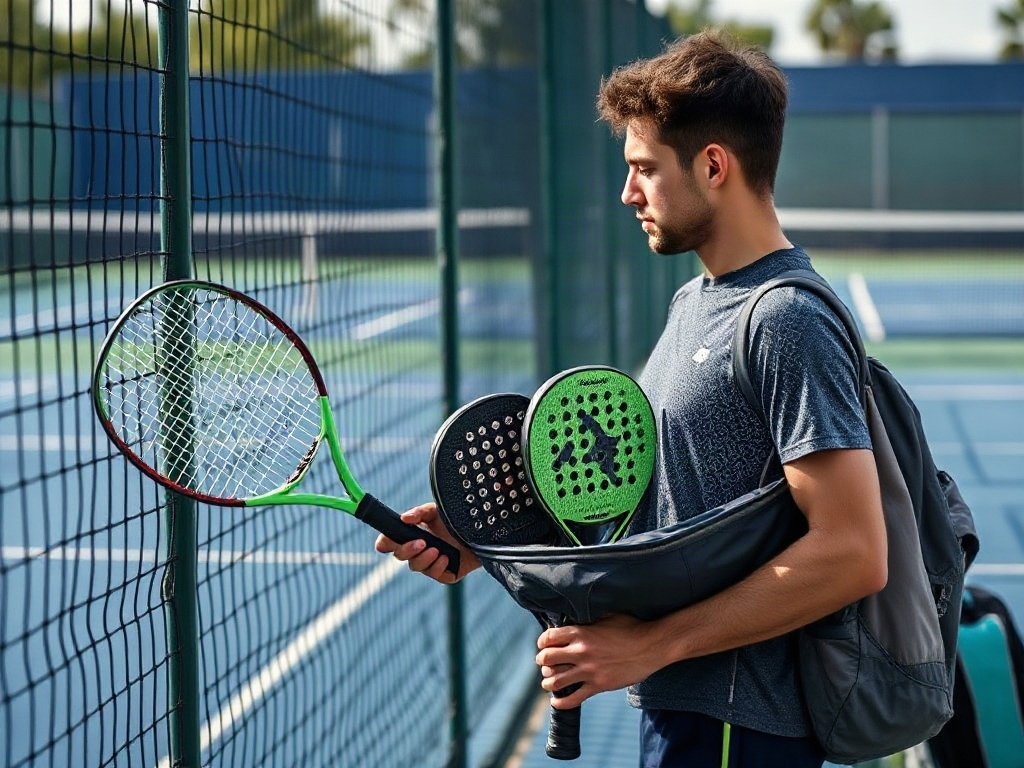
Choosing your first padel racket in 2026 is less about chasing the newest logo and more about finding a tool that makes the game feel playable from the first session. The market has become crowded with “beginner-friendly” claims, but not every racket with a soft touch, a bright design, or a discount tag actually helps a new player improve. What matters most is how a racket supports your timing, protects your arm, and gives you enough control to build confidence under pressure. A good beginner racket should make mishits less punishing, not make the game feel more technical than it already is. If you compare the right features, you can avoid paying for performance you are not ready to use. This guide focuses on the details that truly shape comfort, learning speed, and long-term value.
In modern padel, beginners are often tempted by rackets that look like pro models but are softened with marketing language. That can be a costly mistake, because the best first racket is usually the one that helps you make cleaner contact more often, not the one that promises maximum power. In 2026, materials, vibration-dampening systems, and core technologies have all improved, which means you have more choices and more ways to get it wrong. The good news is that the decision becomes much easier when you compare the same fundamentals every time. Shape, weight, balance, core softness, and grip comfort will tell you far more than a flashy paint job ever could. Once you understand those basics, you can buy with confidence instead of guessing.
What Makes a Padel Racket Beginner-Friendly?
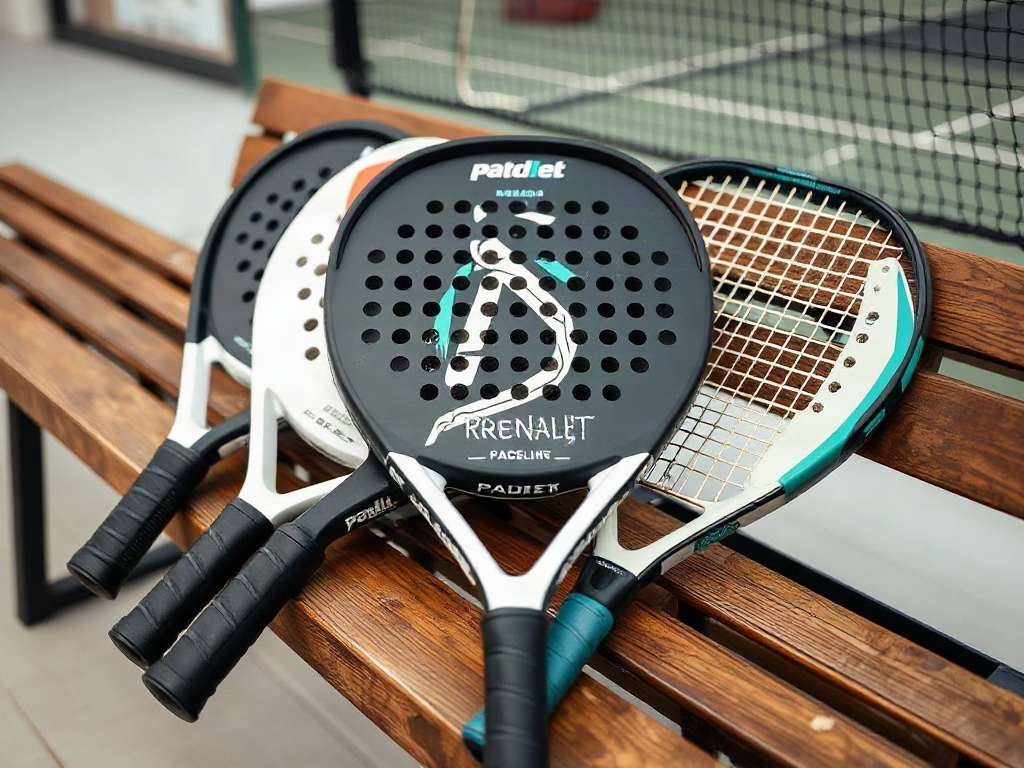
A beginner-friendly racket is designed to forgive imperfect technique while still giving you enough feedback to learn proper strokes. That usually means a larger sweet spot, manageable weight, and a balance point that does not make the head feel heavy during quick exchanges. For new players, comfort and control matter more than raw power because the early goal is consistency, not domination. A racket that is too advanced can make every defensive shot feel unstable and every volley feel harder than it should be. The right model should help you stay relaxed, swing naturally, and recover quickly between points. In practical terms, beginner friendliness is the combination of easy handling, reduced vibration, and predictable response.
Not all entry-level rackets are built the same, and that is why comparison is so important. Some brands prioritize softness, which can help absorb impact and reduce strain on the wrist or elbow. Others focus on a slightly firmer feel so the racket does not feel sluggish, especially for players who have already played tennis or squash. The best choice depends on your strength, frequency of play, and how quickly you expect to improve. If you want a racket that feels stable without requiring perfect contact, you should look closely at the shape and balance before anything else. Those two factors often have the biggest effect on how easy the racket feels from the first hit.
Key Factors to Compare Before Buying

When comparing beginner padel rackets, start with the features that directly affect performance rather than the ones that sound impressive. Shape influences the size and location of the sweet spot, weight affects how tiring the racket feels, and balance changes how quickly you can react at net or in defense. Materials matter too, but mostly because they influence comfort, durability, and the overall feel of the racket in your hand. As a beginner, you do not need the most explosive carbon construction or the most aggressive surface texture on the market. Instead, you want a model that supports learning and reduces avoidable mistakes. The smartest purchase is usually the one that balances control, comfort, and durability without overspending.
- Shape: Round rackets are usually the easiest for beginners because they offer control and forgiveness.
- Weight: Lighter options are easier to swing and less tiring during longer sessions.
- Balance: Lower or even balance points improve maneuverability and reduce strain.
- Core: Softer cores generally make contact more comfortable and forgiving.
- Grip: A comfortable handle helps you control the racket without over-squeezing.
It is also worth separating real value from marketing language. Many beginner rackets are described as “powerful,” but for a new player that often means the racket is less forgiving and harder to control. A beginner should usually prioritize a large sweet spot and easy maneuverability, because those qualities translate into more balls staying in play. Durability is important too, but not if it comes at the expense of comfort or technique development. If a racket feels awkward in the hand, it will not matter how advanced the specs look on paper. A good comparison process keeps the focus on what actually affects your rallies, not what sounds most premium in an ad.
Shape is one of the clearest indicators of how a racket will behave during play, and it is especially important for beginners. Round rackets usually have the sweet spot closer to the center, which makes them more forgiving on off-center hits and easier to control in defensive situations. Teardrop rackets try to balance control and power, so they can be a smart choice if you already feel coordinated and want room to grow. Diamond rackets place more emphasis on attacking power, but they are often less stable and less friendly for new players. If you are still learning basic timing, a round or beginner-oriented teardrop model is usually the safer choice. In most cases, shape should be your first major filter before you compare any other detail.
Weight and Balance: Choosing the Right Feel
Weight changes how quickly you can prepare for shots, and in padel that matters a lot because points often involve fast reactions at the net and sudden defensive resets. A lighter racket is usually easier to maneuver, especially if you are building wrist strength or playing only once or twice a week. However, going too light can make the racket feel unstable on contact, so the goal is not simply to pick the lightest option available. Balance plays a major role too, because a head-heavy racket can feel powerful but tiring, while a more even or low-balance model tends to feel easier to control. For most beginners, a racket that feels easy to swing and easy to recover is the best starting point. The right feel should reduce effort, not demand it.
- Lighter rackets: Easier to handle, especially for defensive shots and quick volleys.
- Mid-weight rackets: Often a good compromise for beginners who want stability without fatigue.
- Head-light balance: Improves maneuverability and can feel more comfortable in long matches.
- Head-heavy balance: Can add power but usually requires better technique and stronger wrists.
As a practical buying tip, do not assume that a heavier racket is automatically better because it feels “solid” in your hand for a few seconds in a shop. Solid and suitable are not the same thing, and fatigue often shows up only after repeated rallies. If you play frequently, even a small increase in weight can become noticeable by the end of a session. A beginner should think not only about the first five minutes with the racket, but also about how it feels after an hour of errors, saves, and awkward stretches. That is why balance and total weight should always be judged together. The best test is whether you can swing smoothly without fighting the racket.
| Comparison Factor | What Beginners Should Look For | Why It Matters |
|---|---|---|
| Shape | Round or forgiving teardrop | Improves control and enlarges the sweet spot |
| Weight | Lighter to mid-weight | Reduces fatigue and makes swings easier |
| Balance | Low or even balance | Helps with maneuverability and comfort |
| Core | Softer foam or softer EVA-type feel | Absorbs impact and forgives mishits |
| Grip | Comfortable handle with room for overgrips | Improves control and reduces strain |
Materials and Core Technology
Materials influence how a racket feels, but beginners should read them as comfort and durability signals rather than performance bragging rights. Frame construction can affect stability and lifespan, while face materials affect touch and responsiveness. In 2026, many entry-level rackets use a blend of fiberglass and composite materials to keep the feel softer and more approachable. Carbon appears often in more expensive models, but that does not automatically make a racket better for a newcomer. What matters more is whether the construction suits your level and your physical comfort. If a racket feels harsh or overly rigid, it can slow your progress even if it is technically well made.
The core is especially important because it determines how the racket absorbs impact and how much effort you need to generate control. Softer cores typically help beginners because they provide a cushioned response and reduce the shock that travels into the arm. Firmer cores can offer more precision and speed, but they usually reward cleaner technique. If you are still learning how to position yourself and meet the ball consistently, a softer feel is often easier to trust. The goal is to make the racket work with your current technique, not against it. That is why core choice is one of the most useful comparisons in the beginner category.
A soft core is usually the better starting point because it makes off-center hits more manageable and helps you maintain control when your swing is not perfect. It also tends to feel more comfortable in longer sessions, which matters if you are still building strength in your wrist, shoulder, or elbow. Harder cores can be appealing for players who want a more direct response, but they are rarely the first recommendation for someone learning the game. The difference becomes especially clear when you are under pressure and need to defend quickly. A softer racket gives you a little more margin for error, which is exactly what most beginners need. Once your technique improves, you can always move toward a firmer feel later.
Grip, Comfort, and Injury Prevention
Grip comfort may sound like a small detail, but it can shape your entire experience on court. If the handle feels too thin, too slippery, or too rough, you may start gripping harder than necessary, which increases fatigue and reduces fluid movement. Beginners often overlook this because they focus on the face of the racket, yet the handle is where control begins. A comfortable grip also helps you avoid unnecessary strain in the wrist and forearm, especially during long rallies. Overgrips can be a simple and inexpensive way to adjust feel, but they should complement the racket rather than compensate for a poor choice. A racket that feels comfortable in the hand is easier to trust, and trust improves swing quality.
- Check handle thickness: Make sure the grip feels secure without forcing your hand open or closed.
- Use overgrips if needed: They can improve comfort, absorb sweat, and slightly adjust thickness.
- Look for vibration reduction: These features may help reduce stress on sensitive elbows or wrists.
- Test the feel during movement: A racket should remain comfortable when you swing, not just when you hold it still.
Comfort is not only about softness, because a racket can be cushioned yet still feel awkward if the balance is wrong. Many beginners are surprised to find that the most comfortable racket is the one they barely notice during play. That means it does not pull your arm off line, does not feel unstable at contact, and does not create tension in your hand. If you have previous wrist or elbow sensitivity, pay even closer attention to vibration-dampening features and weight distribution. These elements do not replace good technique, but they can make learning much more enjoyable. In the long run, a comfortable racket encourages more practice, and more practice is what improves performance.
Features Worth Paying For in 2026
In 2026, the best beginner rackets often include modern materials and subtle design upgrades that improve comfort without making the racket overly technical. Some improvements are genuinely useful, such as better shock absorption, more durable surface finishes, and more ergonomic grip shapes. Others are mostly branding, especially when a manufacturer tries to make a beginner racket sound like a professional weapon. The key is to ask whether a feature will help you learn, protect your arm, or make the racket last longer. If the answer is no, it may not be worth the extra money. Smart buying means separating practical upgrades from decorative ones.
For a beginner, premium features are worth paying for only when they solve a real problem. A slightly better core, improved comfort technology, or stronger face material may justify a moderate price increase if you play regularly. On the other hand, advanced surface textures, high-stiffness frames, and power-focused designs are usually unnecessary at the start. It is also wise to think about replacement timing, because a beginner racket may only need to last until your technique becomes more consistent. That makes value more important than prestige. A racket that helps you progress for six to twelve months can be a better purchase than a flashy model you never fully use.
Common Mistakes Beginners Make When Buying
One of the biggest mistakes is buying a racket that is too advanced because it feels exciting in the store or looks like what good players use. That decision often leads to frustration because the racket punishes imperfect contact and makes learning slower. Another common error is choosing based on looks alone, which is understandable but rarely smart. Beginners also tend to ignore the combined effect of weight and balance, even though those two factors strongly influence how tiring the racket feels. Price can mislead as well, since expensive does not always mean better for your level. A beginner racket should make the game easier, not simply look impressive in your bag.
- Picking a racket that is too heavy for your current strength.
- Choosing power over control before mastering basic technique.
- Ignoring grip comfort and vibration protection.
- Assuming a higher price guarantees a better beginner experience.
- Buying a pro-style racket that demands perfect timing.
The most practical way to avoid these mistakes is to ask how the racket will feel during the messy parts of your game, not the perfect ones. Beginners spend a lot of time correcting position, adjusting to bounce, and learning where the sweet spot actually is. A good racket should help during those moments rather than amplifying every error. It should also suit how often you play, because a casual player needs a different level of forgiveness than someone training several times per week. If you keep the focus on comfort, control, and easy handling, you will make a more reliable choice. That is the difference between a racket that looks good and one that truly supports progress.
How to Match a Racket to Your Playing Style
Even as a beginner, your playing style matters because not every new player approaches padel the same way. Some people are naturally cautious and prefer longer rallies, while others want to attack quickly and hit more aggressively whenever possible. If you lean toward control, a round, forgiving racket will likely feel more natural and help you place the ball with confidence. If you already have strong hand-eye coordination from another sport, a balanced teardrop option may give you a little more room to grow. The important thing is not to choose a racket that matches an ideal version of your future game, but one that fits your current habits. That keeps the learning curve smoother and more enjoyable.
Frequency of play also matters because more frequent players often adapt faster and may outgrow a very soft model sooner. Casual players usually benefit from maximum forgiveness and comfort, while regular players may want a slightly more responsive feel. If you are buying your first racket and you do not yet know your style, the safest route is to start with control-first design principles. After a few weeks of play, you will notice whether you want more power, more firmness, or more stability. That experience is often more valuable than any spec sheet. The best beginner racket is the one that matches both your ability today and your confidence level on court.
Итог
The best padel racket for a beginner in 2026 is not the most expensive model, the most aggressive shape, or the one with the strongest marketing story. It is the racket that gives you control, reduces fatigue, and helps you make better contact more often. Shape, weight, balance, core softness, and grip comfort are the main comparisons worth making before you buy. If you keep those priorities in mind, you can avoid the most common mistakes and choose a racket that actually supports learning. The smartest first purchase is one that feels easy, reliable, and forgiving from the beginning. When the racket works with your technique rather than against it, progress tends to come faster and feel more natural.
If you want a simple rule to remember, start with round or forgiving teardrop shapes, choose manageable weight, and favor softer construction over aggressive power. Then use comfort and handling as your final checks before buying. This approach keeps the focus on the needs of a beginner rather than on advanced features that may not help yet. It also gives you a better chance of enjoying the game from your very first sessions. Padel becomes much more fun when the racket feels like an aid instead of an obstacle. That is the real goal when choosing your first one.
Часто задаваемые вопросы
- What is the best shape for a beginner padel racket?
A round racket is usually the best choice because it offers more control, a larger sweet spot, and easier handling for new players. - How heavy should a beginner padel racket be?
Most beginners do well with a lighter to mid-weight racket because it is easier to swing, recover, and control during longer rallies. - Should beginners choose power or control?
Control is usually the better priority at the start because it helps you learn technique, stay consistent, and keep more balls in play. - Are expensive padel rackets better for beginners?
Not necessarily. A higher price does not automatically mean a better beginner experience, and many affordable rackets are excellent for learning. - Do I need vibration-dampening features as a beginner?
They can be helpful, especially if you have sensitive elbows or wrists, but they are not essential for every beginner.
