
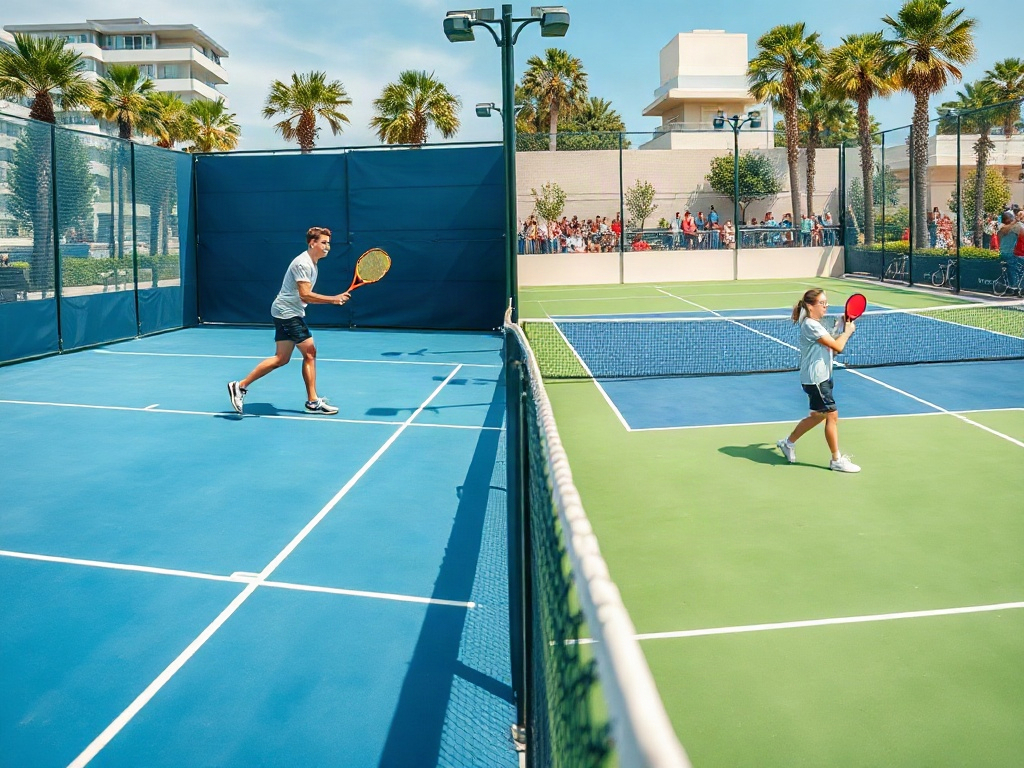
Padel and pickleball are often mentioned in the same breath, but they are not interchangeable sports. They share a reputation for being social, fast-growing, and easier to pick up than traditional tennis, yet the way they are played feels dramatically different once you step onto the court. One sport leans into walls, angles, and continuous doubles strategy, while the other thrives on quick reflexes, soft touch, and compact court coverage. If you are trying to choose between them, the differences matter far more than the similarities. This comparison breaks down the equipment, rules, court design, and playing style so you can understand not just what sets them apart, but why each one attracts such loyal players.
What Is Padel?
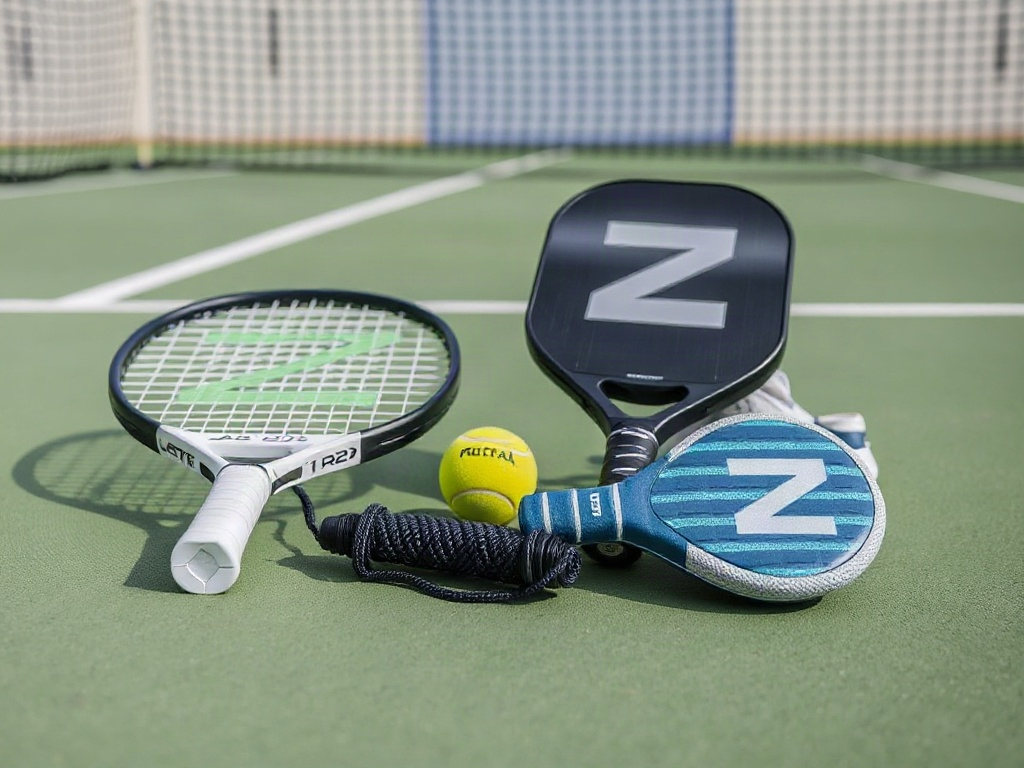
Padel is a racket sport that originated in Mexico and later became hugely popular in Spain, Argentina, and much of Europe and Latin America. It is usually played in doubles on an enclosed court with glass and mesh walls, and those walls are not just decorative—they are part of the game. The sport blends elements of tennis and squash, but it has its own identity, rhythm, and tactical depth. Players serve underhand, rally with a solid racket, and use the rebound off the walls to extend points and create angles. Because of that, padel rewards teamwork, anticipation, and smart positioning as much as raw power.
What makes padel especially compelling is how quickly a beginner can start having fun without mastering everything at once. The smaller court compared to tennis reduces endless running, while the walls keep rallies alive longer than many newcomers expect. That combination creates a game that feels active and strategic without being overwhelming. Most competitive and recreational play happens in doubles, which naturally turns padel into a conversational, highly collaborative sport. If you enjoy thinking a step ahead and working closely with a partner, padel has a strong appeal.
Padel stands out because it mixes technical simplicity with tactical richness, and that is one reason it continues to grow so quickly. The racket is solid and stringless, the serve is underhand, and the enclosed court changes how every shot behaves. At first glance it may look familiar to tennis players, but the presence of walls makes the game feel entirely different in motion. The sport also encourages longer rallies, which makes it both spectator-friendly and rewarding for recreational players. For many people, padel becomes addictive precisely because it is easy to start but hard to fully master.
- Played primarily in doubles
- Uses glass or mesh walls as part of active play
- Combines elements of tennis, squash, and strategic positioning
- Rewards anticipation, teamwork, and controlled shot placement
What Is Pickleball?
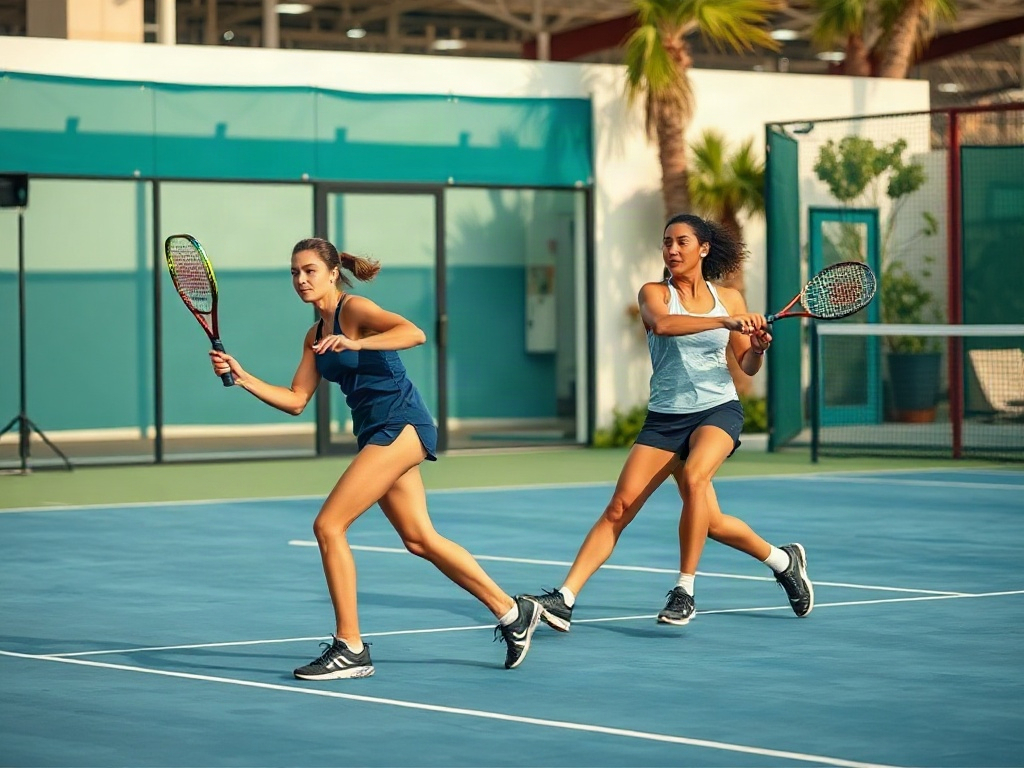
Pickleball is a paddle sport that began in the United States and has expanded at remarkable speed across age groups and skill levels. It is played on a smaller court than tennis, with a net, a lightweight paddle, and a perforated plastic ball that travels at a manageable pace for most beginners. The game uses underhand serving and a distinctive non-volley zone near the net, often called the kitchen, which shapes how players approach short exchanges. Because the court is compact and the rules are relatively straightforward, pickleball is widely known as one of the most accessible modern sports. Its rise has been fueled by ease of learning, social play, and the fact that it can be enjoyed competitively or casually.
While pickleball may seem simple at first, it has a surprising amount of nuance once rallies start to speed up. Good players develop soft hands for dinking, fast reactions at the net, and careful control over placement rather than brute force. The ball’s slower flight compared to tennis creates more time to react, which is why the sport often appeals to players seeking a lower-impact option that still demands agility and concentration. Even so, advanced pickleball can become extremely fast around the net, where split-second decision-making matters. That balance between accessibility and competitiveness is a big reason the sport continues to spread.
Pickleball’s defining traits are its small court, lighter equipment, and simple entry point for newcomers. The game is easy to understand, but it still offers a meaningful learning curve for players who want to improve. It is common to see people of different ages and athletic backgrounds playing together, which makes the sport especially social and inclusive. The plastic ball and solid paddle make the ball easier to track, yet the kitchen rule and serve restrictions add structure to the action. As a result, pickleball is often approachable on day one, but increasingly strategic as players progress.
- Played on a compact open court with no walls
- Uses a perforated plastic ball and a solid paddle
- Features the non-volley zone, or kitchen, near the net
- Known for being beginner-friendly and highly social
Padel vs Pickleball: Court Differences
The court is one of the clearest ways to understand how padel and pickleball differ in feel and pace. Padel courts are enclosed by walls, which means the ball can stay in play after bouncing and ricocheting, creating a three-dimensional tactical environment. Pickleball courts, by contrast, are open and rely on standard boundary lines plus the kitchen to shape where players can stand and how they attack the net. This difference changes everything from shot selection to footwork and even the mental approach to each rally. A padel player learns to read rebounds and use the back and side walls, while a pickleball player focuses more on spacing, precision, and the geometry of the net game.
Another major difference is how court size influences movement. Padel courts are smaller than tennis courts but larger than pickleball courts, and they are designed to keep rallies alive through rebounds. Pickleball courts are approximately the size of a badminton doubles court, which compresses the action into a very tight space. That compact layout favors quick exchanges and controlled movement rather than large defensive runs. The result is that each sport has a very distinct tempo, even before equipment and rules come into play.
| Feature | Padel | Pickleball |
|---|---|---|
| Court type | Enclosed with glass or mesh walls | Open court with no walls |
| Court size | Smaller than tennis, larger than pickleball | Much smaller than tennis, similar to badminton doubles |
| Net area | Standard net without a kitchen zone | Includes a non-volley zone near the net |
| Ball behavior | Can rebound off walls during play | Must stay within open-court boundaries |
Padel court structure
A padel court is built to encourage extended rallies and clever use of rebounds. The glass or mesh walls are not a background feature; they are an active part of the sport’s strategy and rhythm. Players often allow the ball to bounce off the back wall before returning it, which opens up time and angles that do not exist in more open-court games. This enclosed design also keeps the ball in play more often, making rallies feel dynamic and continuous. For spectators, the court layout adds drama because points can evolve in unexpected ways.
- Enclosed by walls that are part of live play
- Typically played on artificial turf or a similar surface
- Designed for doubles and tactical rebounds
Pickleball court structure
A pickleball court is straightforward in layout, but that simplicity shapes the game in powerful ways. There are no walls to extend the rally, so all decisions are made within a fixed open rectangle marked by lines and the kitchen. The non-volley zone near the net discourages smash-and-volley domination and encourages more thoughtful transitions into the front court. This makes the net game especially important, because players must learn when to attack and when to hold position. The result is a court that looks simple but creates a very specific style of play.
- Open court with clear boundary lines
- Includes a non-volley zone close to the net
- Promotes controlled net play and quick exchanges
Padel vs Pickleball: Equipment Comparison
Equipment is another area where the two sports diverge sharply, and the differences are easy to notice the moment you hold the gear. Padel uses a solid, hole-punched racket that feels closer to a compact striking tool than a traditional strung racquet. Pickleball uses a paddle, which is lighter and flatter, paired with a plastic ball that has holes and flies more slowly through the air. The footwear also reflects the movement demands of each sport, with padel players needing traction for turf and quick lateral adjustments, while pickleball players need supportive court shoes for rapid starts and stops. These equipment distinctions are not cosmetic; they directly shape how the game is played.
For beginners, both sports have relatively approachable entry gear compared with many other racket sports. You do not need highly specialized string tension, advanced serve mechanics, or oversized equipment investments just to start enjoying rallies. Still, choosing the right paddle or racket can affect comfort, control, and confidence, especially for new players. That is why understanding the gear matters almost as much as knowing the rules. Once the equipment feels natural, the sport becomes much easier to enjoy and improve in.
Padel equipment
Padel equipment is designed for controlled contact and wall-based rallies. The racket is solid, often made with a perforated surface and no strings, which gives players a different touch sensation compared with tennis. The ball is low-compression and looks similar to a tennis ball, though it behaves differently in play. Shoes are important too, because traction and stability matter on padel surfaces where quick changes in direction are constant. Together, these tools support the sport’s emphasis on timing, placement, and rebound control.
- Solid, stringless padel racket
- Low-compression ball similar to a tennis ball
- Court shoes with strong grip for turf or hard surfaces
Pickleball equipment
Pickleball equipment is deliberately lightweight and simple to use. The paddle is solid and usually smaller than a tennis racquet, which helps players react quickly at the net and maneuver in tight spaces. The ball is plastic with holes, which slows down flight and makes the game more readable for many beginners. Court shoes with lateral support are important because the sport still involves abrupt movements, even if the court is smaller. The equipment setup reinforces pickleball’s identity as a fast, accessible, and highly controlled game.
- Lightweight paddle with a solid face
- Perforated plastic ball
- Supportive court shoes for lateral movement and traction
Padel vs Pickleball: Rules and Scoring
The rules of each sport reveal why the games feel so different even when they seem similar from afar. Padel uses a scoring system that resembles tennis, with points, games, and sets, while pickleball uses its own scoring structure that places heavy emphasis on serve order and rally flow. In padel, the serve is underhand and the ball can rebound off the walls after bouncing on the court, which creates longer and more unpredictable exchanges. In pickleball, the serve is also underhand, but the double-bounce rule and kitchen restrictions create a very different rhythm near the net. These rule differences affect how players start points, defend, and plan their tactics.
For newcomers, the most important thing to understand is that each sport controls aggression in a different way. Padel opens the door to wall-based creativity, so players can extend points and recover from difficult returns. Pickleball limits certain net attacks through the non-volley zone and requires a double bounce at the beginning of each rally, which slows the transition into offensive net play. Both systems are designed to create fairness and strategy, but they shape the point in distinct ways. If you know the rules, the logic of each sport becomes much easier to appreciate.
Padel rules
Padel rules are easy to follow once you understand the role of the walls. Serves must be hit underhand and land diagonally into the opponent’s service box after one bounce. After that, the ball can be played off the walls as long as it first bounces on the court, which keeps rallies alive and makes defending more tactical. Scoring is similar to tennis, which means many tennis players find the system familiar at the start. The real adjustment comes from learning when to let the ball travel and when to attack it early.
- Serve underhand after one bounce
- Serve diagonally into the correct box
- Use the walls legally after the ball has bounced
- Score in a system similar to tennis
Pickleball rules
Pickleball rules center on control, placement, and the unique kitchen zone. The serve must be underhand and diagonal, and both sides must allow the ball to bounce once before volleying at the start of a rally. The non-volley zone prevents players from standing too close to the net and smashing every shot, which creates a much more deliberate transition game. Scoring is more specialized than in many sports, and players must keep track of serve order and rotation carefully. Once these rules click, the game feels orderly and highly strategic rather than chaotic.
- Serve underhand and diagonally
- Follow the double-bounce rule at the start of each rally
- Avoid volleying inside the kitchen
- Manage scoring and serve sequence carefully
Padel vs Pickleball: Playing Style and Strategy
The playing style of padel is built around angles, patience, and wall awareness. Because the ball can rebound off the back and side walls, players often use softer shots, clever lobs, and tactical positioning to build pressure rather than ending points immediately. Doubles chemistry matters enormously, since one player’s movement can open or close space for the other. The sport often feels fast, but the pace is not purely about speed; it is about controlling the point structure and using the court’s geometry to your advantage. That combination gives padel a unique tactical flavor that feels both athletic and cerebral.
Pickleball, by contrast, is defined by precision, quick hands, and smart net play. The smaller court compresses reactions and makes dinking, placement, and timing essential to success. Players must learn how to enter the kitchen line safely, soften the ball, and wait for the right opportunity to attack. Even though the ball is slower than in many racket sports, the exchanges at higher levels can be incredibly rapid. The style is less about wall physics and more about control under pressure, which is why pickleball can look simple to beginners but become intensely strategic at advanced levels.
Padel playing style
Padel encourages a blend of defense and patience that is unusual in many modern sports. You often win points by forcing errors through placement, angles, and relentless teamwork rather than by overpowering your opponent. The walls give players a second chance in defense, which changes the mindset from immediate reaction to long-view strategy. Good padel pairs move together, communicate constantly, and understand when to pressure the net versus when to reset the point. If you enjoy problem-solving during play, padel offers a rich tactical experience.
- Fast-paced with heavy use of angles and rebounds
- Strong emphasis on doubles teamwork
- Rewards patience, positioning, and court awareness
Pickleball playing style
Pickleball asks players to be efficient with movement and disciplined with shot choice. The most successful players often excel at dinking, soft resets, and fast exchanges near the net rather than trying to hit every shot hard. Because the court is small, placement matters more than sweeping movement, and anticipation becomes a major advantage. The sport can be gentle in pace for beginners, yet very intense once both sides are comfortable at the kitchen line. Its style makes it especially appealing to players who value finesse and quick decision-making.
- Emphasizes soft hands and precise placement
- Features quick net exchanges and dinking battles
- Accessible to a wide range of ages and skill levels
Which Sport Is Easier for Beginners?
Both sports are beginner-friendly, but they are easy in different ways. Pickleball is often considered the simplest to learn because the court is small, the ball is easy to track, and the rules are relatively straightforward. Many new players can start rallying after a short explanation, which makes the game feel welcoming right away. Padel is also accessible, especially for players with tennis or squash experience, but the wall interactions add a layer of complexity that takes time to understand. If your goal is the fastest possible path to confident play, pickleball usually has the lower barrier to entry.
That said, ease of learning is not the same as long-term enjoyment. Some beginners prefer padel because the rallies feel more dramatic and the game offers a richer tactical puzzle from the beginning. Others like pickleball because it delivers immediate success and clear progress without requiring advanced movement. The right choice depends on whether you want a quicker start or a more layered strategic challenge. In either case, both sports can become deeply engaging once the basics are in place.
Health and Fitness Benefits of Both Sports
Padel and pickleball both offer meaningful fitness benefits, especially for players who want exercise wrapped in social competition. They improve cardiovascular endurance, reaction time, hand-eye coordination, and lower-body mobility through repeated lateral movement and quick adjustments. Because both sports are usually played in doubles, they also create a strong social component that can make workouts feel less like exercise and more like shared recreation. That social element matters, because it often helps players stay consistent over time. For many people, consistency is the real key to long-term health benefits.
There are also differences in physical demand. Padel can involve more continuous movement and larger defensive recovery patterns because the court is bigger and the walls extend points. Pickleball can be less demanding on the body for some players, though advanced play still requires explosive net reactions and fast lateral movement. Both sports can be adapted to different ages and levels of athleticism, which is one reason they have become so popular in recreational communities. Whether you are focused on fitness, fun, or competition, each sport offers a meaningful way to stay active.
Which Sport Should You Try?
If you like tactical doubles play, wall rebounds, and a sport that blends patience with sudden attacking chances, padel may be the better fit. It offers a dynamic court environment that rewards smart partnerships and an ability to read angles under pressure. If you prefer a simpler court setup, easier initial learning, and a game built around quick reactions and net precision, pickleball may suit you better. Neither sport is objectively superior; they just reward different instincts and athletic strengths. The best choice comes down to what kind of challenge you enjoy most.
For many people, the real answer is to try both. Padel may become the sport you turn to when you want deeper strategy and energetic doubles rallies. Pickleball may become the game you choose when you want fast setup, easy access, and immediate social play. Both have strong communities, both are growing rapidly, and both can become lifelong hobbies if they match your style. The most useful comparison is not which one is “better,” but which one feels more natural and rewarding to you.
Итог
Padel and pickleball may share a place in the booming world of modern racket sports, but they create very different experiences on the court. Padel is shaped by walls, angles, and doubles strategy, while pickleball is built around a compact open court, kitchen rules, and quick net exchanges. Their equipment, scoring systems, and movement patterns all reinforce those differences in clear and practical ways. If you want a sport that feels tactical, dynamic, and highly collaborative, padel is worth exploring. If you want something accessible, social, and easy to learn, pickleball has an obvious appeal. In the end, both sports offer an exciting way to stay active, improve coordination, and enjoy competitive play.
Часто задаваемые вопросы
- What is the main difference between padel and pickleball? Padel is played on an enclosed court with walls and uses a stringless racket, while pickleball is played on an open court with a perforated plastic ball and a solid paddle. The presence of walls in padel changes rally patterns and strategy significantly. Pickleball focuses more on the kitchen zone and quick net exchanges. Both are doubles-friendly sports, but they feel very different in motion. If you enjoy rebound-based tactics, padel may be more appealing, while pickleball is usually easier to pick up quickly.
- Is padel harder than pickleball? Padel is often considered more complex because players must learn how to use the walls effectively and manage more tactical court patterns. Pickleball is usually easier for beginners because the rules are simpler and the court is smaller. That does not mean pickleball lacks depth, because advanced play can be highly strategic and fast. The difference is mostly in the learning curve and the type of skills required early on. Many newcomers find pickleball more immediately accessible, while padel can feel more technical at first.
- Can you play padel and pickleball in doubles? Yes, both sports are commonly played in doubles, and padel is especially associated with doubles play. In padel, teamwork and court positioning are central to almost every point. Pickleball also has a strong doubles culture, although singles play exists as well. Doubles makes both sports more social and often more strategic. If you enjoy partnership-based competition, either sport can be a great fit.
- Which sport uses a bigger court? Padel courts are larger than pickleball courts, though still smaller than a standard tennis court. The extra size in padel allows for wall play and more movement across the court. Pickleball courts are compact, which creates a faster transition to the net and a more compressed style of play. The smaller court in pickleball often makes rallies feel more immediate and controlled. Court size is one of the clearest visual differences between the two sports.
- Do padel and pickleball have the same scoring system? No, they do not use the same scoring system. Padel scoring is similar to tennis, with points, games, and sets. Pickleball has its own scoring structure, which also depends on serve order and rally rules. The systems are both manageable once learned, but they are not interchangeable. Understanding the scoring is essential if you want to follow matches comfortably and play correctly.
