Padel looks simple from the outside: a compact court, a social atmosphere, and a sport that seems easy to jump into. But once you start planning regular play, the real question becomes less about whether it is fun and more about what it will cost over time. The answer is not one single number, because your spending depends on how often you play, where you live, whether you join a club, and how serious you become about improving. Some players keep costs low by booking courts occasionally and using basic gear, while others invest in coaching, memberships, and premium equipment. Understanding those moving parts helps you make smarter choices before the first match. It also helps you avoid overspending on things you do not actually need at the start.
Padel costs usually fall into a few clear categories, and each one can be managed differently depending on your budget. Court fees are often the first recurring expense, especially if you do not belong to a club with included access. Coaching can be a small occasional spend or a major investment, depending on how quickly you want to improve. Memberships may look expensive at first glance, but they can reduce your per-session cost if you play frequently. Gear adds an upfront cost, yet most of it is durable enough to last for many sessions. When you put all of these together, the true cost of padel becomes much easier to estimate and control.
Padel Court Costs
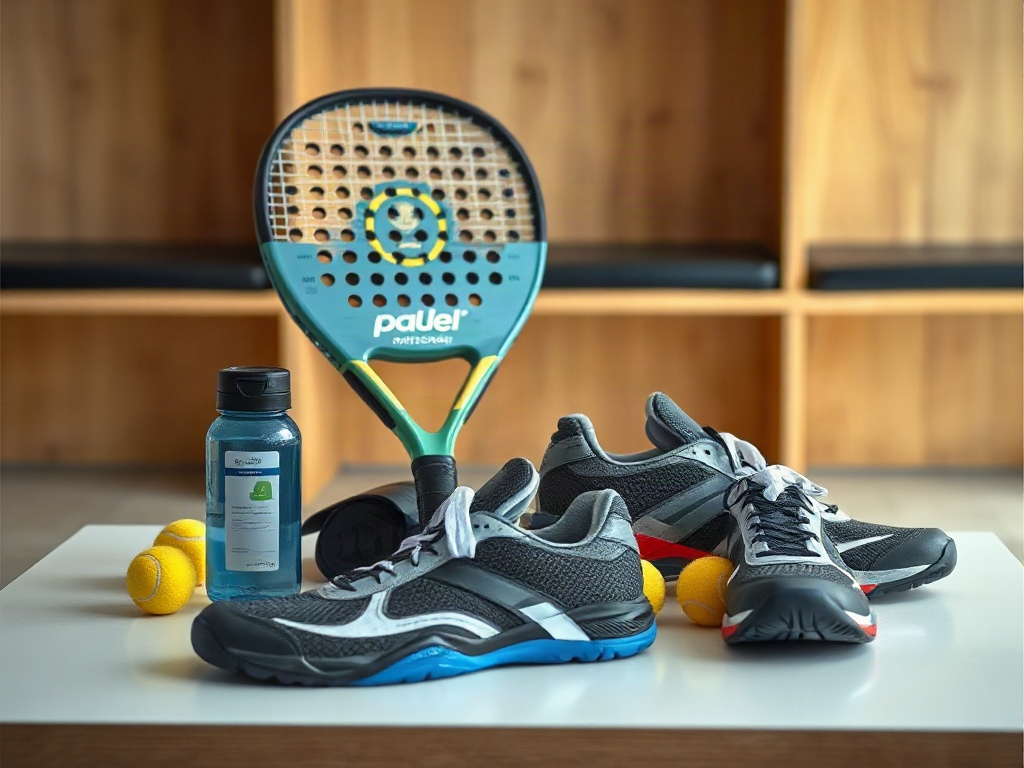
Court rental is usually the most immediate expense for any padel player, and it often varies more than beginners expect. In many clubs, you pay by the hour and split the total with the other players, which keeps the individual cost relatively manageable. Prices can rise sharply in busy cities, during peak hours, or in premium facilities with better lighting and amenities. Outdoor courts may offer lower rates, but indoor venues often charge more because they protect play from weather and require more maintenance. The booking model also matters, since some clubs offer discounted off-peak rates while others keep pricing consistent throughout the day. If you play regularly, those differences can make a noticeable impact on your monthly budget.
Location is one of the biggest price drivers, and it can change the cost of the same court by a surprising amount. A club in a major metropolitan area will typically charge more than a facility in a smaller town or suburban area. Demand also affects price, especially in places where padel is growing quickly and court availability is limited. Some venues include extra services such as lounge areas, showers, or social events, and those features can be reflected in the booking fee. For casual players, the best value often comes from flexible scheduling and splitting fees evenly among friends. For frequent players, it may be worth comparing local clubs carefully before settling into a routine.
Indoor courts generally cost more because they provide a controlled playing environment and allow matches to continue regardless of weather. That convenience is especially valuable in rainy or cold climates, where outdoor play can be inconsistent. Indoor facilities also tend to offer better lighting, stronger surfaces, and a more polished overall experience. Outdoor courts, by contrast, can be cheaper because their operating costs are usually lower. They are often a smart choice for players who prioritize affordability over comfort. The best option depends on how often you play, what the weather is like in your area, and how much consistency matters to you.
Coaching Costs
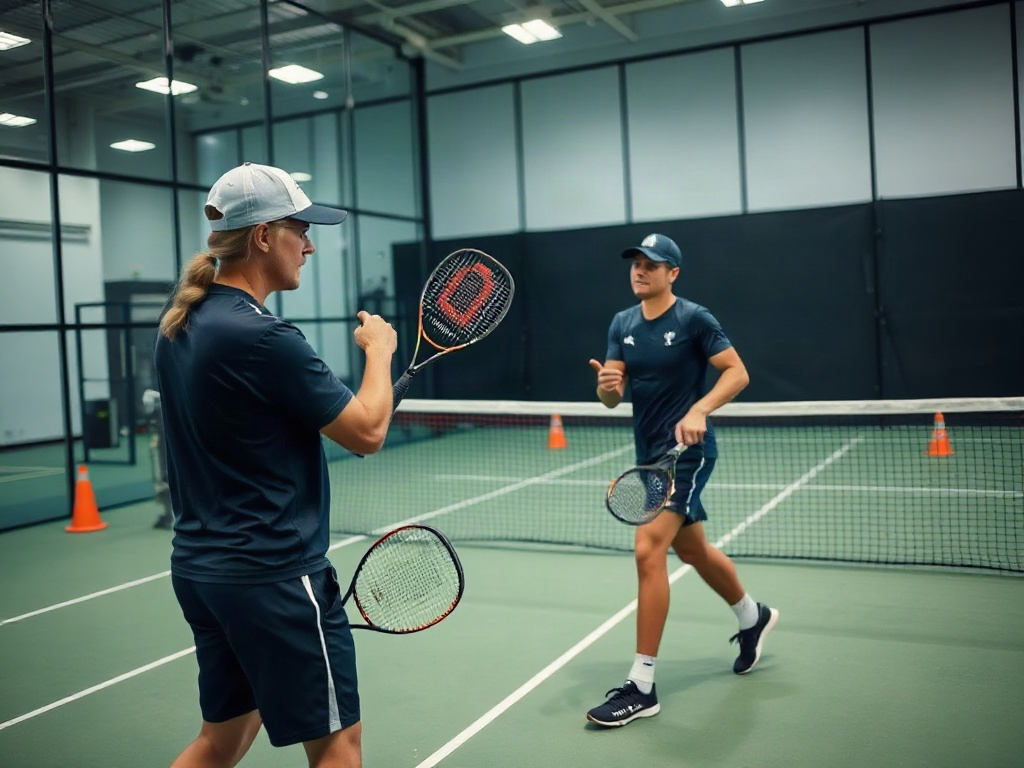
Coaching is where padel spending can shift from casual to intentional, because lessons accelerate improvement and help you avoid bad habits. A beginner might only need a few sessions to understand positioning, movement, and racket control, while more advanced players may want ongoing tactical training. One-on-one lessons are usually the most expensive option because you get the coach’s full attention. Group lessons tend to cost less per person and can be a good fit if you enjoy learning with others. Some clubs also offer clinics, ladder sessions, or structured practice programs that sit between casual play and formal coaching. The more frequently you book lessons, the more important it becomes to balance price with your actual development goals.
Lesson pricing can vary based on the coach’s experience, the size of the group, and the length of each session. A short introductory lesson may be enough for someone who wants to try padel before committing further. Regular players often choose a package of lessons to reduce the per-session rate and build consistency. Coaching with a well-known instructor or at a top club can cost more, but the quality of feedback may justify the expense. If you are trying to control costs, it is often smarter to combine occasional coaching with regular match play. That approach lets you improve steadily without turning training into your largest padel expense.
Membership Fees
Club memberships can either simplify your spending or add another fixed cost, depending on how often you play. Some memberships include court discounts, priority booking, or access to social events, while others mainly exist to reduce hourly rates. A monthly membership may suit players who book several times a week, whereas an annual plan can be better for committed regulars. Pay-as-you-go systems give you more flexibility, but they may become more expensive over time if you play often. Some clubs also charge extra for guest play, premium booking slots, or access to certain facilities. Before signing up, it is worth checking whether the membership actually saves you money based on your playing habits.
Membership value is not only about price, but also about convenience and the overall club experience. If you like the atmosphere, the community, and the ease of booking, a membership can feel worthwhile even if the savings are modest. On the other hand, if you play unpredictably or enjoy trying different venues, a non-membership model may be more practical. Many players discover that the best option changes as their routine changes, especially once they move from occasional games to weekly play. It can help to calculate what you would spend in a typical month without membership and compare that total to the fixed fee. That simple comparison often reveals whether a club plan is genuinely good value or just convenient on paper.
Most padel memberships are designed to reduce friction in the booking and playing process. They may include lower court rates, earlier access to reservations, or invitations to club ladders and social sessions. Some clubs bundle in locker room access, equipment storage, or discounts on coaching and pro-shop purchases. Others offer guest discounts or free access to community events that help players meet partners. The exact benefits vary widely, so the details matter more than the headline price. If you are considering a membership, the best approach is to focus on what you will actually use rather than what sounds attractive in marketing material.
| Cost Category | Typical Price Pattern | What Affects the Cost |
|---|---|---|
| Court Rental | Hourly fee split among players | Location, peak hours, indoor/outdoor status, club quality |
| Coaching | Per lesson or lesson package | Coach experience, private vs group, session length |
| Membership | Monthly or annual fee | Booking perks, discounts, included amenities, play frequency |
| Gear | Upfront purchase, replaced over time | Brand, performance level, durability, how often you play |
Gear and Equipment Costs
Gear is one of the most flexible parts of the padel budget because you can start modestly and upgrade later. The essential items are a racket, proper shoes, balls, and comfortable sportswear. Beginners often spend far less than advanced players because they do not need premium materials or specialized performance features. A good entry-level racket is usually enough for learning technique and enjoying regular games. Padel shoes are more important than many newcomers realize, since they affect grip, movement, and injury prevention. Once you know how often you will play, you can decide whether to buy budget-friendly gear or invest in something more durable.
Some players also add accessories that improve comfort or performance, though these are not always necessary at the start. Grips, wristbands, protective overgrips, and sports bags are common additions that can slowly increase your total spend. Apparel costs depend heavily on brand choice and whether you already own suitable workout clothing. Balls also need replacement over time, especially if you play frequently or at a high level. The smartest gear strategy is usually to buy only the essentials first and delay premium upgrades until your game demands them. That approach keeps your initial cost low while still allowing room for future improvements.
A beginner racket is often the most important purchase, and it should be chosen for control and comfort rather than power alone. Shoes should be designed for court movement, with grip and lateral support that suit padel’s stop-start style. Balls are relatively inexpensive, but they do add recurring cost because they lose bounce over time. Clothing can be basic athletic wear, though moisture-wicking materials may make longer sessions more comfortable. Support accessories, such as grips and tape, are small purchases individually but can add up if you replace them frequently. If you want to control your budget, it helps to separate one-time purchases from ongoing consumables.
- Racket: Entry-level options are usually enough for beginners, while advanced players may want more specialized models.
- Shoes: Court-specific footwear improves traction and helps protect against slips and joint strain.
- Balls: These are a recurring expense because they wear out faster than most other items.
- Apparel: Breathable sports clothing is usually sufficient, but premium fabrics can improve comfort.
- Accessories: Grips, bags, and support gear are optional but useful for frequent players.
Hidden or Additional Costs
Beyond the obvious expenses, padel can come with a few smaller costs that are easy to overlook at first. Tournament entry fees may matter if you become competitive or start joining local events. Travel to different clubs can also add up, especially if the nearest affordable court is not close to home. Equipment replacement is another factor, because rackets, shoes, and grips wear out with regular use. Some players also spend on fitness memberships, recovery tools, or training apps to support their development off the court. These costs may not seem large individually, but together they can shape your total padel budget more than expected.
It is also worth remembering that padel often becomes a social habit, and social habits tend to create extra spending. You might buy drinks after games, pay for a post-match meal, or join a larger event that includes more than just court time. None of these costs are essential, but they can become part of the experience if you play regularly with the same group. For players trying to stay within a strict budget, it helps to plan for these extras rather than treating them as surprises. The more clearly you define your priorities, the easier it becomes to enjoy the sport without financial drift.
How to Budget for Playing Padel
A realistic padel budget starts with understanding your level of commitment. A casual player who books once or twice a month will likely spend far less than someone who plays several times a week and trains regularly. The key is to estimate court time, divide it by the number of players, and then add any coaching or membership expenses you expect to use. Gear should usually be treated as a separate upfront investment, while balls and accessories belong in the recurring category. If you are new to the sport, it is often best to keep the first few months simple so you can learn what you truly value. That way, your spending reflects your habits rather than assumptions.
For casual players, a basic budget might include occasional court bookings, a decent starter racket, and minimal coaching. For regular players, the cost structure changes because memberships, frequent lessons, and equipment replacement start to matter more. One practical method is to estimate your monthly total and then set a ceiling that includes both play and upgrades. If your actual spending stays below that number, you can either save the difference or put it toward better gear later. Another useful tactic is to watch for off-peak court slots, group lessons, and membership discounts that lower your average cost. In padel, the smartest budget is not necessarily the cheapest one, but the one that supports how you actually want to play.
- Choose off-peak court times whenever possible to reduce hourly rates.
- Share costs with friends or regular partners to spread out booking fees.
- Buy beginner gear first and upgrade only after you know your preferences.
- Use group coaching before private lessons if you want to learn affordably.
- Compare membership benefits against your real monthly playing frequency.
Итог
The cost of playing padel can be modest or substantial depending on how you approach the sport, but it is rarely one-size-fits-all. Court fees, coaching, memberships, and gear each play a different role in your overall spend, and each can be managed with a bit of planning. If you play occasionally, you can keep expenses low by using pay-per-play courts and simple equipment. If you play often, a membership and structured coaching may offer better value even if the upfront cost feels higher. The most efficient setup is usually the one that matches your frequency, goals, and local club options. Once you understand the moving parts, padel becomes much easier to budget for without losing the enjoyment that makes it so appealing.
Часто задаваемые вопросы
- How much does it cost to start playing padel?
A beginner can usually start with a racket, court shoes, balls, and a few court bookings, which keeps the initial cost relatively manageable. - Is padel cheaper than tennis?
In many cases, yes, especially when court sharing and group play reduce the cost per person. - Do I need a membership to play padel?
Not always. Many clubs allow pay-per-play bookings, although memberships can provide savings for frequent players. - What is the most expensive part of playing padel?
Court fees and coaching are often the largest ongoing costs, depending on how often you play and how much training you want. - Can I play padel without buying expensive gear?
Yes. Many players begin with entry-level equipment and upgrade later as their skills and preferences develop.
