
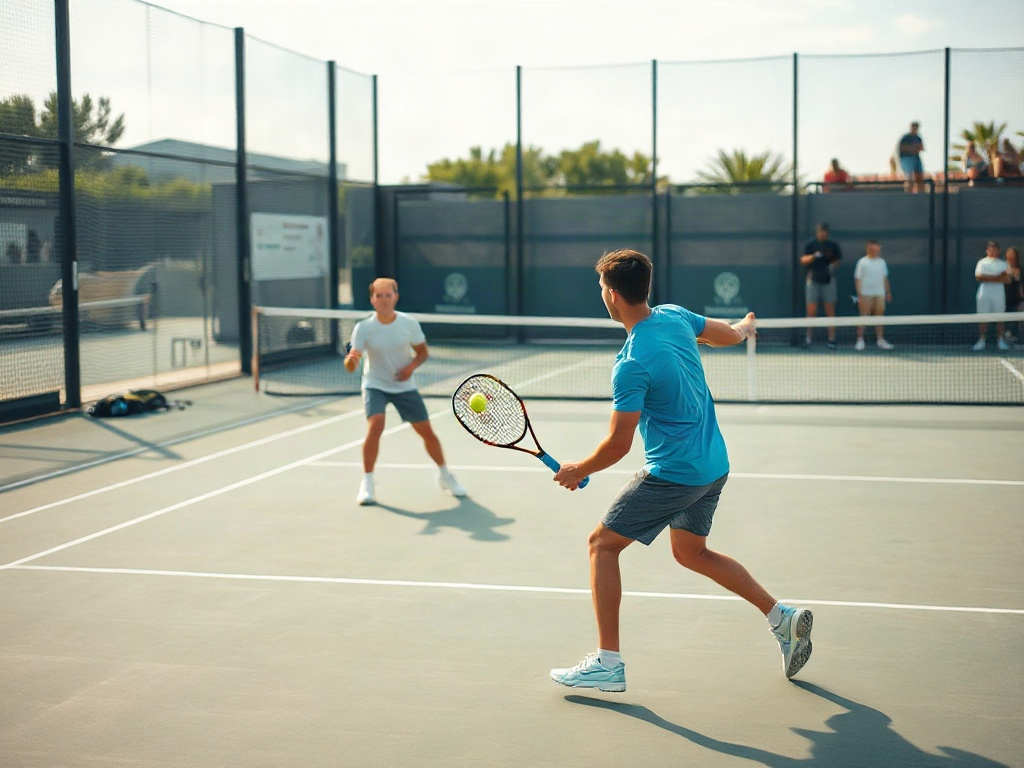
Padel looks simple the first time you watch it, but the longer you play, the more you realize that its elegance comes from very precise rules. The court is smaller than tennis, the walls are live, the serve is unusual, and scoring can feel familiar until it suddenly isn’t. That mix is exactly why so many players search for a clear, up-to-date guide that removes the guesswork. In 2026, knowing the rules is not just about avoiding mistakes; it is also about playing with better rhythm, smarter positioning, and more confidence under pressure. Whether you are a beginner stepping onto a padel court for the first time or an experienced player trying to sharpen match decisions, the details matter. This guide breaks down the essentials in a practical way so you can understand what is legal, what is tactical, and what often gets misunderstood.
Padel Court Basics
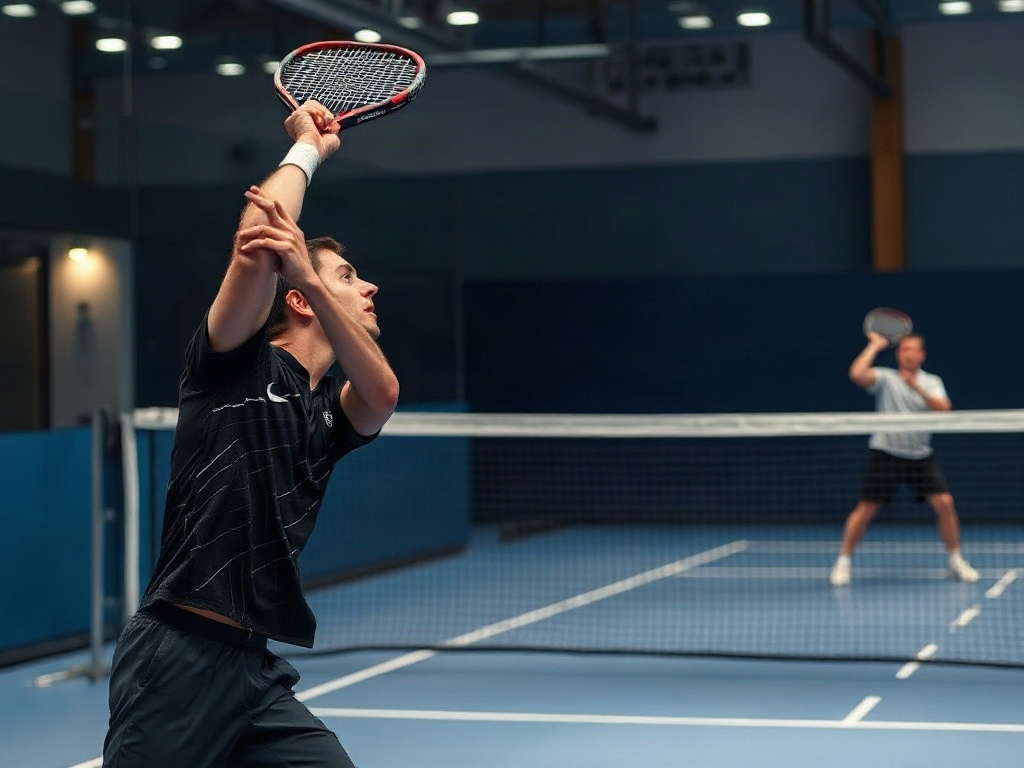
The padel court is built around a simple idea: keep the rally alive, use the walls intelligently, and make positioning more important than raw power. Unlike tennis, the enclosure is part of the game, which means the ball can rebound off glass and still remain in play. This changes how players defend, attack, and read bounce trajectories. The net divides the court just like in tennis, but the service boxes and wall structure create a very different tactical environment. If you understand the court first, the rest of the rules become much easier to absorb. Before thinking about advanced shots, it helps to know exactly how the playing area behaves and why the walls are not obstacles but active elements of the sport.
The dimensions of the court are standardized, and the layout is designed to create quick exchanges and smart angles rather than long-distance baseline warfare. The back walls are typically made of glass, while the side sections often combine glass and mesh fencing. These surfaces determine what is in play after the bounce, and they also shape how players move after striking the ball. A ball that lands correctly can still be returned after it touches the walls, but the sequence matters. The court reward system is subtle: timing, anticipation, and positioning often beat brute force. Once you learn the architecture of the court, you begin to see why padel is such a strategic sport.
The back glass is one of the most important features in padel because it allows defensive players to let the ball travel past them before playing it off the rebound. This is often the difference between panic and control. Side glass works similarly, but the angle of rebound changes depending on where the ball lands and how much spin it carries. Fencing behaves differently from glass because it can deaden or alter the ball in ways that affect legal play. Players also need to understand what counts as “in,” because the boundary lines, walls, and fence all interact in ways that may surprise newcomers. A ball is only out when it clearly exits the proper limits according to the rules, and that distinction becomes vital in close rallies.
- The back glass is live after a legal bounce and can be used for defensive resets.
- Side glass changes angles dramatically and can create difficult reads for opponents.
- Fencing is not the same as glass and affects the ball differently during play.
- Boundary lines are part of the court, so edge decisions can decide close points.
Scoring in Padel

Padel scoring follows the same basic progression as tennis, which makes it easy for new players to recognize the structure while still needing to adjust to the pace of the game. Points move from love to 15, then 30, then 40, and finally game, but the way rallies unfold often makes each point feel more urgent. Because padel points tend to be shorter and more explosive, one mistake can quickly swing momentum. Deuce and advantage rules apply in the same way as tennis, so players must stay alert when a game becomes tight. The key is not just to know the score, but to understand how the score affects shot selection and pressure. In competitive play, scoring discipline often separates calm teams from rushed ones.
Games build into sets, and sets usually reward the team that can sustain consistency under pressure rather than the team that wins the flashiest points. When both sides reach a tie situation, the match can slow down mentally even if the physical pace stays high. That is why score awareness is so important in padel: it shapes risk level, return choices, and how aggressively you approach the net. In doubles especially, one partner’s decisions can change the entire point pattern. A clear grasp of scoring prevents confusion and helps teams stay synchronized during long matches. It also reduces avoidable disputes, which is essential in both casual and tournament settings.
| Situation | What Happens | Why It Matters |
|---|---|---|
| Standard point progression | Points go 15, 30, 40, then game | Familiar structure, but fast rallies make every point count |
| Deuce | Both teams are tied at 40-40 | Requires a team to win two consecutive points |
| Set conclusion | A team wins the required number of games | Consistency and nerve become more important than shot flair |
| Tie-break | Used when a set reaches the designated game score | Serving order and point discipline become critical |
A tie-break is played when the set reaches the score that requires one, and it is designed to settle the set efficiently while preserving fairness. The serving order changes in a specific pattern, and players must follow it carefully because a simple rotation error can affect the integrity of the point sequence. Tie-break scoring is usually counted in regular numbers rather than the traditional 15, 30, 40 format, which makes it feel more direct and intense. Every point carries extra weight because the margin for error is so small. Teams often become more conservative in tie-breaks, but the best pairings still look for controlled aggression. If you know the rotation and point count, the tie-break feels less chaotic and more manageable.
Serving Rules in Padel
The serve in padel is one of the sport’s most distinctive rules, and it is also one of the easiest places for beginners to make mistakes. Unlike tennis, the serve must be underhand, and the contact point must be below waist level. The server must let the ball bounce before striking it, which changes the rhythm and reduces the power advantage that a big serve might create in other racket sports. The ball must land diagonally in the correct service box, and the first bounce must occur there before any wall contact. Because the serve shapes the opening of every point, a legal and repeatable motion is more valuable than a flashy one. Many rallies begin with a serve that is technically correct but tactically weak, so legality and placement must work together.
Serving rules are also important because they influence fairness, tempo, and receiving position. If a server steps incorrectly, tosses the ball wrong, or contacts it from the wrong height, the point can be called a fault. In casual games, these errors are often overlooked, but in structured matches they can change momentum quickly. The server also needs to respect the service order, which alternates between teammates in a predictable rotation. This is especially important in doubles because the order continues throughout the set and must be maintained carefully. Once you understand the serve, you can focus more on tactics and less on whether your action is legal.
- The serve must be struck underhand and below waist height.
- The ball must bounce once before contact with the racket.
- The serve must travel diagonally into the opponent’s service box.
- The server must keep proper foot placement and not step over the line too early.
- Service order must remain consistent across games and teammates.
One of the most common faults is a foot fault, which happens when the server’s feet are incorrectly positioned during the motion. Another frequent mistake is striking the ball too high, especially when players are used to overhead serving in tennis. Some players also release or toss the ball in a way that makes the contact point awkward, leading to mishits or illegal contact. A serve may also be faulted if it lands outside the correct service box or fails to clear the net properly. These errors are frustrating because they are usually preventable with repetition and better rhythm. In most cases, a calm, compact serving motion is far more effective than an ambitious one.
The Glass Rules Explained
The glass is what makes padel feel unique, and learning how it works is essential if you want to play well rather than merely survive rallies. A ball may bounce on the floor and then travel into the glass, where it remains playable, which opens up a wide range of defensive and offensive options. This means players can use the rebound to buy time, reset their position, or create angles that would not exist in an open court. However, the order of contact matters, and not every collision with glass or fencing is legal in every phase of the rally. The difference between a clever rebound and an illegal sequence can determine whether the point continues. Once you understand the glass, you start reading rallies differently, because the court becomes a three-dimensional tactical space rather than a flat rectangle.
Using the glass well requires patience, touch, and anticipation. Defensive players often allow the ball to pass them and then play it after the rebound, which can turn a difficult shot into a comfortable reply. Attacking players, on the other hand, try to apply pressure before the ball can settle into a defensive rhythm. The glass is not simply a survival tool; it is also a weapon for creating angles and forcing awkward responses. Players who rush their decisions often misjudge the bounce, while players who wait too long can lose the initiative. The best padel players treat the glass as a reading test and a timing opportunity at the same time.
- Legal use of glass begins after the ball has bounced on the court.
- Back glass is commonly used to slow the point and reset defensive shape.
- Side glass can create unpredictable angles that require early movement.
- Reading spin and rebound height is crucial for successful glass play.
Defensive shots off the back wall are one of the signature skills in padel because they allow you to absorb pressure without immediately conceding space. A well-read rebound can turn a difficult defensive position into a controlled lob, a block, or a passing shot. On the attacking side, players can use the walls to stretch opponents sideways and create openings at the net. The key is not to force every ball, but to let the court geometry do some of the work. When you understand how rebounds travel, you can start anticipating the next ball before your opponent has even completed the stroke. That is where padel becomes more strategic than reactive.
What Counts as a Legal Return
A legal return begins with timing and awareness. In padel, the ball must generally be returned after one bounce, unless the rules permit a different contact situation in a specific rally context. Players need to judge whether the ball is still playable and whether the wall interaction is legal before making contact. A successful return is not just about getting the ball back; it is about returning it in a way that keeps the rally alive without breaking the rules. Volleys, overheads, and defensive blocks all have their place, but each comes with positioning responsibilities. If a player misreads the bounce or contacts the ball too late, the point can be lost immediately.
Some of the most common mistakes happen when players confuse a legal rebound with a double-bounce situation. Another issue arises when the ball strikes the fence before the first bounce, which can invalidate the return depending on the specific situation. Receivers also need to avoid illegal volleys on the serve return, because the serve must be allowed to bounce first. In practice, legal returning is about discipline as much as reflexes. The more you understand the sequence of bounce, wall, and contact, the easier it becomes to make good decisions under pressure. This is why many experienced players train not only their shot-making, but also their reading skills.
One of the clearest illegal situations is letting the ball bounce twice before returning it, because that ends the point immediately. Another common error is contacting the ball before it completes the required bounce sequence on the serve return. Players can also get confused when the ball hits the fence in the wrong sequence, especially if the rally is moving quickly. These mistakes often come from anticipation errors rather than technical inability. A player may be physically able to make the shot, but the rules do not allow it in that exact moment. Good decision-making keeps you from giving away free points through avoidable rule violations.
Common Rules Mistakes New Players Make
New players often struggle less with athletic ability than with situational awareness, which is why rule mistakes show up so frequently in early matches. The scoring system can feel familiar, but it still catches people off guard when the pace is fast and the pressure rises. Serving is another area where beginners lose points before the rally properly begins, usually because they carry habits from other racket sports. The glass also creates confusion, especially for players who are unsure whether they should move immediately or wait for the rebound. These issues are normal, but they are also fixable with repetition and a better understanding of the sport. Once players recognize the common errors, they usually improve much faster.
- Forgetting the exact score during long games or tight deuce situations.
- Serving with the wrong motion or incorrect foot placement.
- Misjudging rebounds from the back or side glass.
- Standing too close or too far from the net during key points.
- Assuming a tennis habit is automatically legal in padel.
Changes and Clarifications in Padel Rules for 2026
As padel continues to grow, rule clarifications in 2026 matter because the sport is being played more seriously across clubs, tournaments, and international events. Even when the core structure remains stable, subtle clarifications can affect how officials interpret serves, wall interactions, and match procedures. Players who stay updated reduce the risk of disputes and adapt more quickly to competitive environments. This is especially important for people who move between casual play and organized matches, where expectations can differ. Equipment standards, officiating consistency, and court setup guidance are all part of the broader rule ecosystem. In a fast-growing sport, staying current is not just useful; it is part of playing responsibly.
For most players, the biggest benefit of keeping up with 2026 clarifications is confidence. When you know what is expected, you spend less energy second-guessing calls and more energy winning points. Coaches and club players also benefit because they can teach the game with a shared understanding of what is acceptable. Even small updates can shape match rhythm, especially in doubles where communication is already a major factor. The safest approach is to follow the latest official guidance used by your governing body or tournament organizer. That way, your habits stay aligned with the current version of the game rather than an outdated memory of it.
Итог
Padel becomes far more enjoyable when the rules stop feeling like obstacles and start feeling like part of the strategy. Scoring shapes the mental pace of the match, serving sets the tone for every point, and the glass turns the court into a dynamic tactical space. Once you understand these three areas, the game becomes clearer, faster, and more rewarding. Beginners gain confidence because they know what is legal, and experienced players gain an edge because they can make smarter choices under pressure. In 2026, the best players are not only the ones with strong shots, but also the ones who understand the sport’s structure. If you keep practicing with the rules in mind, your decision-making and consistency will improve together.
Часто задаваемые вопросы
- What is the basic scoring system in padel?
Padel uses the same point progression as tennis: 15, 30, 40, and game. When both teams reach 40, the game moves into deuce and advantage situations. The system is simple, but the speed of play makes it feel intense. Knowing the score at all times is essential for making smart tactical choices. - Can the ball hit the glass in padel?
Yes, the ball can hit the glass after bouncing on the court and remain in play. This is one of the defining features of padel and a major part of its strategy. Players often use the glass to defend, reset, or create angles. The key is understanding the correct bounce sequence. - How do you serve in padel?
The serve must be hit underhand after the ball bounces, and contact must be made below waist height. It must travel diagonally into the opposite service box. The server also needs to maintain correct foot positioning. A legal, controlled serve is more important than a powerful one. - What happens if the serve hits the net and lands in?
In most cases, the serve is replayed as a let. That means the point does not count and the server gets another attempt. This rule helps preserve fairness when a serve is otherwise valid. Players should be ready to reset quickly after a let. - Can you volley on a padel serve return?
No, the serve return must first bounce before being hit. Volleys are not allowed on the initial serve return. This rule gives the receiver a fair chance to play the point. It also makes the serve return more about timing than raw reflexes. - What is the biggest rule mistake beginners make?
Many beginners struggle with serving legally and understanding how the glass works during rallies. These two areas create the most confusion because they are different from tennis or other racket sports. Scoring mistakes also happen often when players lose track of the game under pressure. With practice, these errors become much less frequent.
